A first-of-its-kind carbon impact study at Coleton Fishacre, and detailed renewable and Low-to-Zero Carbon feasibility studies across more than 40 National Trust sites, in support of the Trust’s pledge to reach net zero carbon by 2030.
The carbon impact study for the Coleton Fishacre site evaluated energy use and associated CO2 emissions across existing and projected future scenarios. Detailed energy and carbon analysis modelling was carried out for the site, the first of its kind for the National Trust, enabling their Commercial Projects team to establish a clear, defined route to minimum operational carbon using a four-step approach.
Alongside, Rubix MEP were commissioned to survey and carry out detailed renewable and Low-to-Zero Carbon (LZC) feasibility studies across more than 40 existing National Trust sites, from Tyntesfield and Kedleston Hall to Cragside and Formby, focused on the Trust’s Food & Beverage offers as part of its 2030 carbon neutrality pledge.
Each study reviewed the existing site services infrastructure and evaluated passive design measures, energy efficiency improvements and potential renewable / LZC technologies, with solutions rationalised into site-specific recommendations with energy savings and payback calculations. Further carbon impact studies are now planned and underway for multiple National Trust sites across the UK.
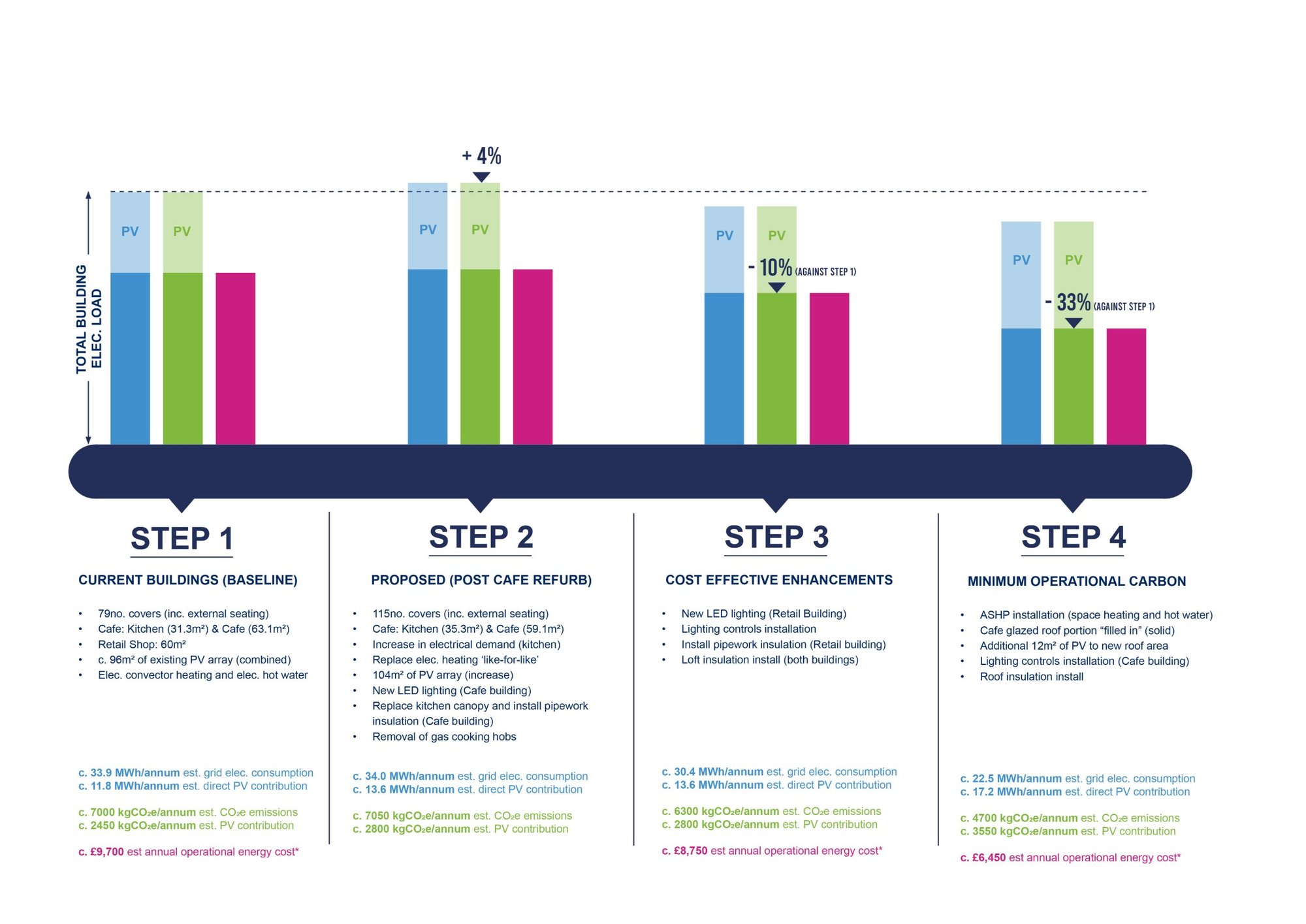
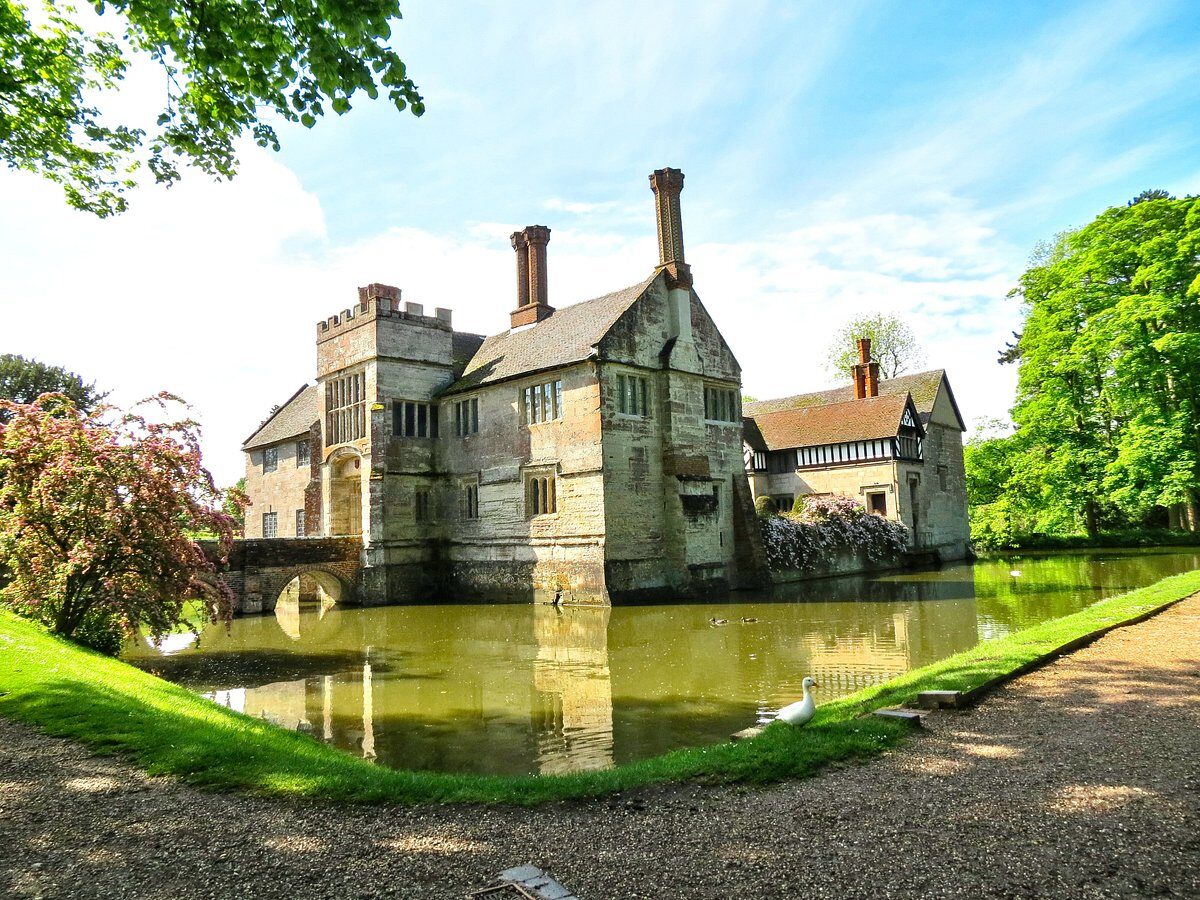
Detailed energy and carbon analysis modelling at Coleton Fishacre, establishing a defined four-step route to minimum operational carbon against the Trust’s 5% annual CO2 reduction KPI.
Renewable and Low-to-Zero Carbon feasibility studies across 40+ sites, appraising passive design, energy efficiency and renewable technologies with payback calculations.
The Trust’s F&B MEP design guide, plus delivered schemes including the first F&B solar PV installation at Emmetts Garden Tea Rooms and the Grade II listed Tyntesfield Cow Barn refurbishment.
Heritage estate, campus or multi-site portfolio. Start the conversation.